 vs
vs 
Google Meet vs Zoom: Workspace Integration vs AI Features
Google Meet focuses on seamless video conferencing within the Google Workspace ecosystem, making it ideal for teams already using Gmail and Drive. Zoom operates as a broader AI-first work platform, offering dedicated phone, contact center, and developer SDK tools. Choose the platform that matches your existing software stack.
Last verified against both official websites on October 3, 2026
Google Meet
Google Meet is a video conferencing product within Google Workspace.
Choose Google Meet if your team relies heavily on Google Workspace and needs straightforward cloud-based video calls.
Official site Indie alternatives to Google Meet
Zoom
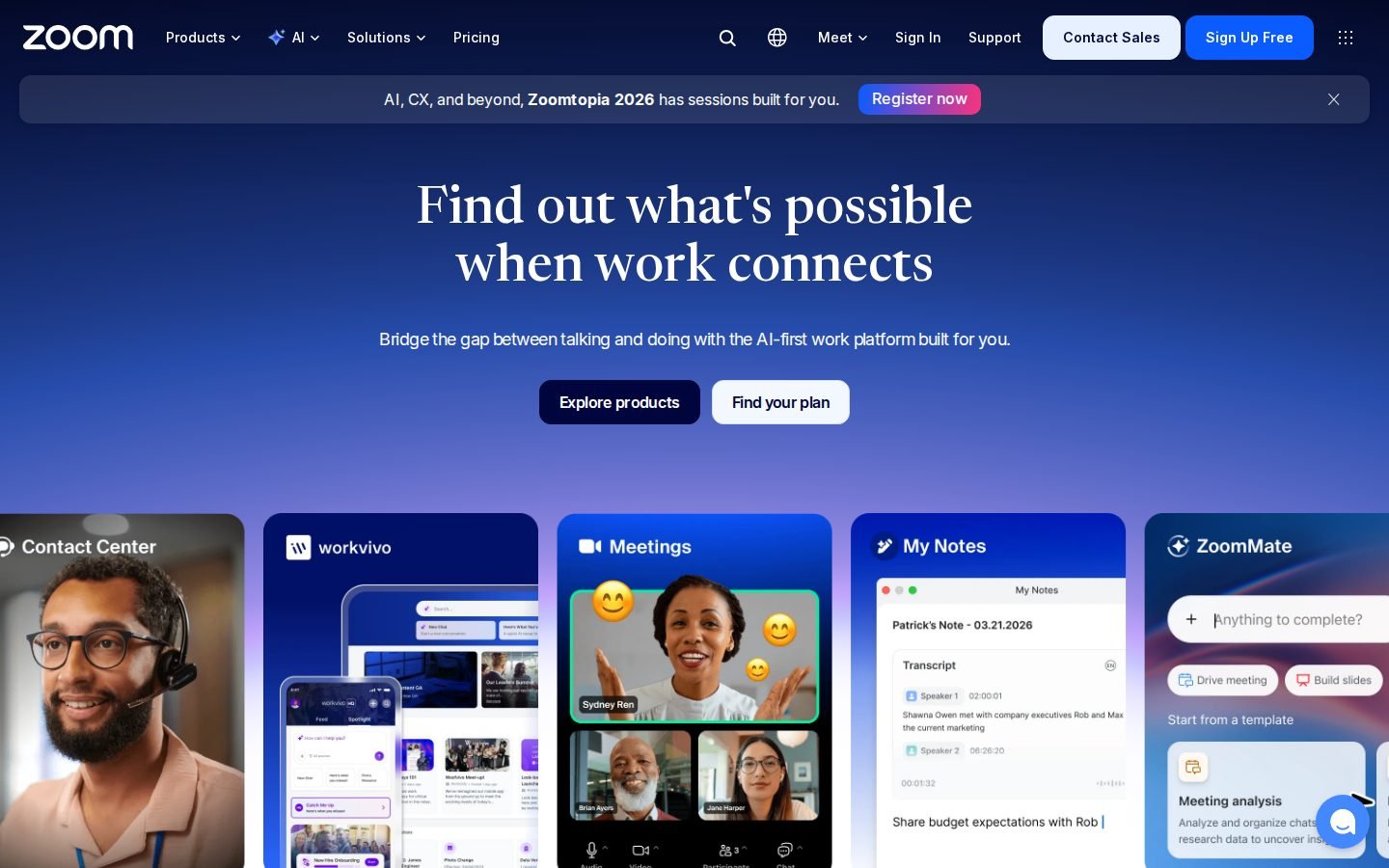
Zoom is an AI-first work platform offering collaboration, communication, customer experience, and AI tools.
Choose Zoom if you require a comprehensive communication suite with built-in phone, webinars, and developer APIs.
Official site Indie alternatives to Zoom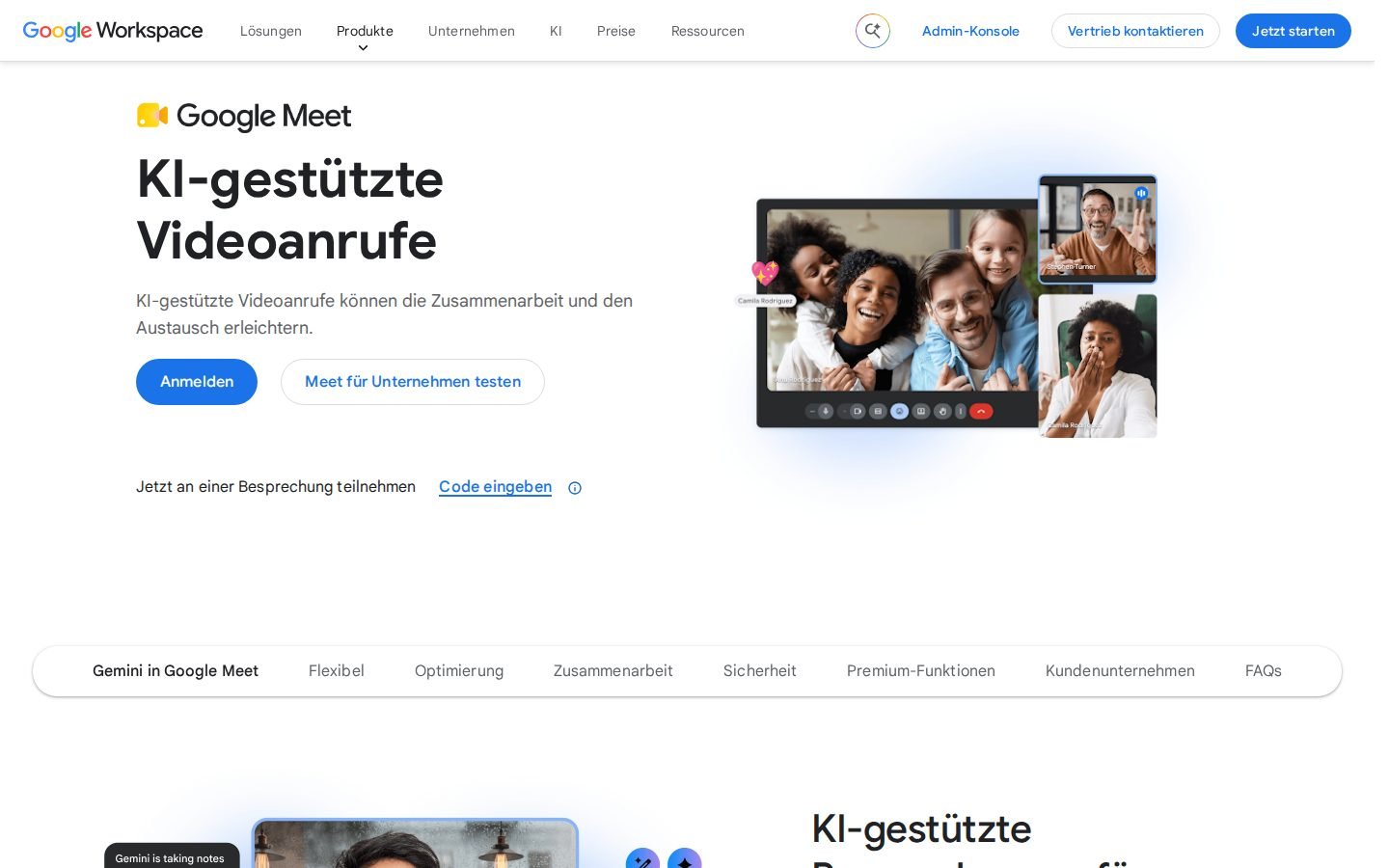
Google Meet vs Zoom pricing
| Google Meet | Zoom | |
|---|---|---|
| Free plan | Not listed | Not listed |
| Free trial | Not listed | Not listed |
| Plans | Not listed on the site | Not listed on the site |
Prices as shown on each official pricing page when last verified (our servers are in the EU, so some sites show local currency). Check the official site before buying.
Features compared
| Feature | Google Meet | Zoom |
|---|---|---|
| Video Conferencing | Yes | Yes |
| Google Workspace Integration | Yes | Not listed |
| Phone & Contact Center | Not listed | Yes |
| AI Meeting Summarization | Not listed | Yes |
| Developer SDKs & APIs | Not listed | Yes |
| Webinars | Not listed | Yes |
| Mobile & Desktop Apps | Yes | Yes |
| Linux Wayland Support | Yes | Yes |
| Free Plan | Not listed | Not listed |
| CRM Integration | Not listed | Yes |
Ecosystem & Target Users
Google Meet is positioned as a video conferencing product designed to work directly inside Google Workspace. It targets everyone from individuals and startups to large enterprises and frontline workers. Seamless Google Workspace integration defines its core value.
Zoom markets itself as an AI-first work platform covering communication, customer experience, and collaboration. Its target audience includes remote teams, customer experience departments, and developers looking for SDKs. Broader platform capabilities suit diverse business needs.
AI & Collaboration Features
Google Meet provides cloud-based video calls with integrated AI features powered by Gemini. It also emphasizes security, privacy, and native apps for mobile and desktop. Built-in Gemini AI tools enhance the meeting experience.
Zoom offers a wider array of communication tools, including phone, chat, webinars, and a contact center. Its AI capabilities cover note taking, meeting summarization, and asset generation through ZoomMate. Extensive AI and communication tools expand its utility.
Performance & User Experience
User discussions on Hacker News highlight that both platforms handle Linux Wayland screen sharing reliably. However, Google Meet has been noted to cause overheating on MacBooks during extended use. Wayland screen sharing works well on Linux systems.
Some users report that Zoom consumes high amounts of JavaScript in Firefox, leading to battery drain and performance drops. Others note that its audio quality falls short for professional sound design work. Monitor browser resource usage to maintain performance.
What users say
Google Meet
- Superior Wayland/Linux screen sharing compatibility compared to competitors like Slack. [1]
- Considered the best available alternative to GSuite, with no better options found. [1]
- Causes overheating issues on MacBooks during usage. [1]
- Advanced noise suppression features are restricted to higher-tier paid plans. [1]
Summarized from public Hacker News discussions; links go to the original comments.
Indie alternatives to Google Meet and Zoom
Smaller tools built by independent makers that cover part of what these two do, often for less.
Kalendar.work
A free fully featured Calendly alternative
Covers meeting scheduling, Zoom's primary use case for booking, as a free, open-source Calendly alternative.
Free plan available, with no hidden per-seat pricing.

OneCamp
self-hosted all-in-one workspace (chat, tasks, calls, docs)
OneCamp includes video calling capabilities with AI recaps, offering an alternative to Zoom for teams that prefer to keep their communication infrastructure on their own servers.
Free for up to 25 people. Self-Host Lifetime license is $259 once. OneCamp Cloud Managed is $104/month.
FAQ
Does Google Meet have a free plan?
A free plan isn't listed on Google Meet's site.
Is Zoom cheaper than Google Meet?
Specific pricing isn't listed on either product's site, so direct cost comparisons aren't available.
Does Zoom offer developer APIs?
Yes, Zoom provides developer SDKs and APIs for custom integrations.
Can I use Google Meet with Google Calendar and Drive?
Yes, Google Meet integrates directly with Google Calendar, Chat, and Drive.
Does Zoom support Linux Wayland screen sharing?
Yes, users report reliable screen sharing functionality on Linux Wayland systems with Zoom.
This comparison is generated automatically from the official websites and re-verified periodically. Spotted something wrong? Tell me.